Recognizing the first red flags
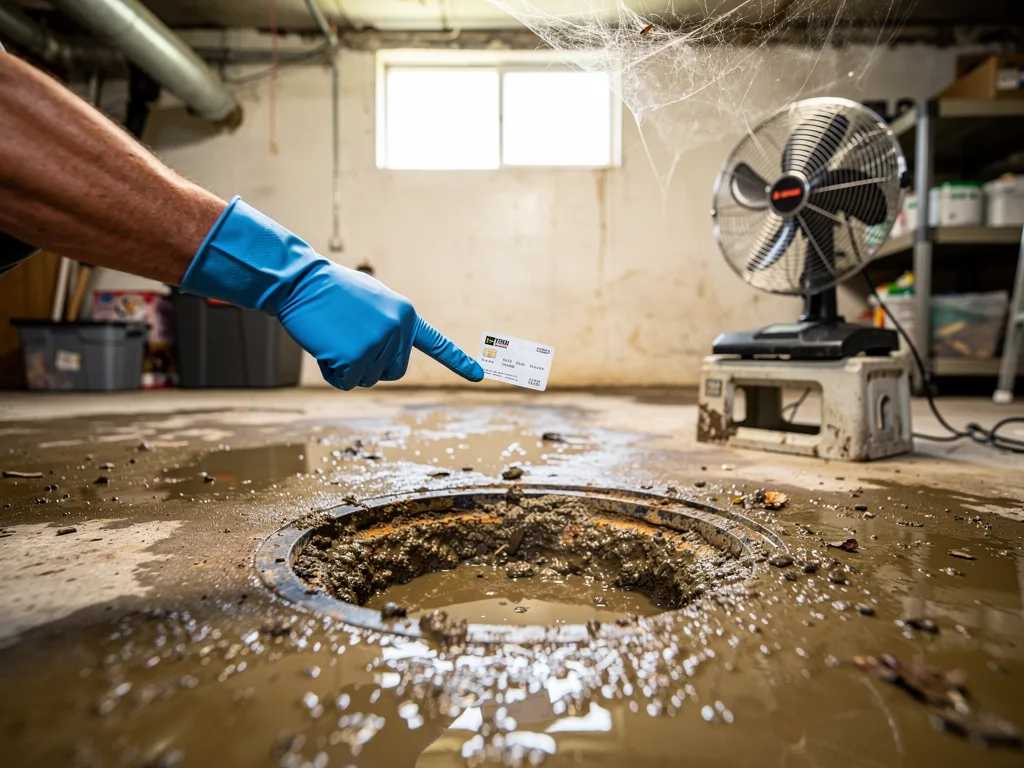
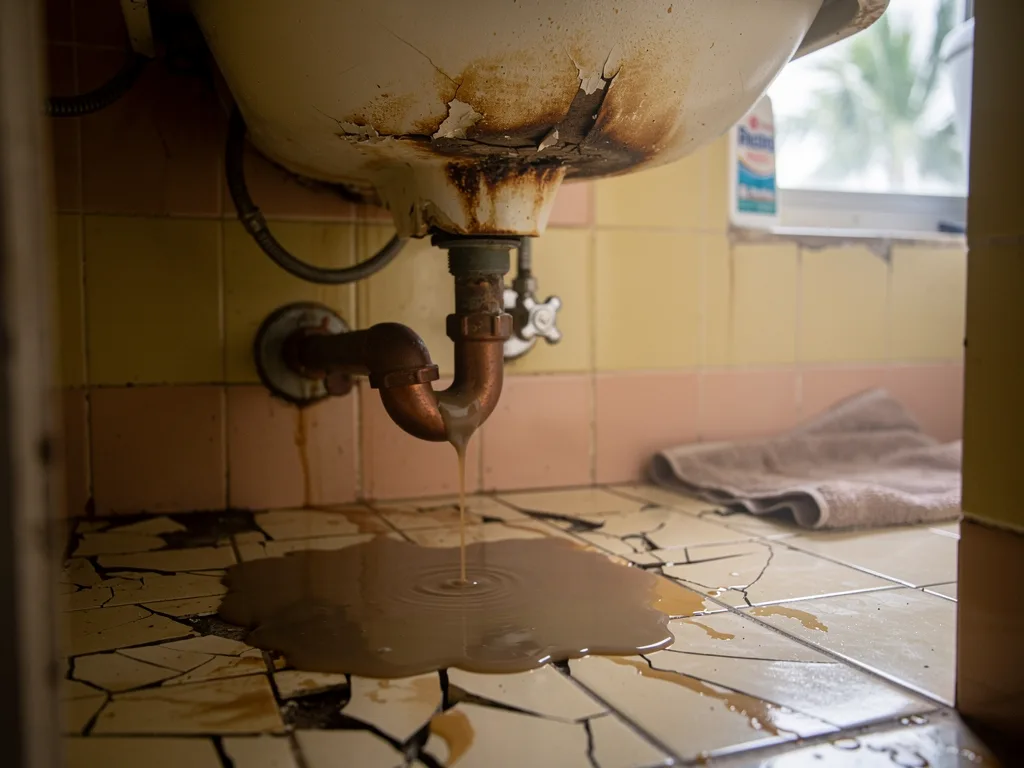
In a Miami home, a sewer issue often starts quietly. A lingering odor in the laundry room or bathroom can be more than a nuisance. A slow drain that backs up in multiple fixtures, like a sink, tub, or toilet, is another clear warning. If you notice frequent gurgling sounds when water runs, or water pooling around the toilet base, those are signals restoration specialists take seriously. These are not problems to ignore; they hint at a broader disruption in the sewage line that can worsen after a storm or heavy rain in our hot, humid climate.
Another important cue is a change in indoor air quality. A damp, musty scent that sticks around after a cleanup attempt could mean hidden contamination or persistent moisture. In Miami, humidity can amplify this, creating a backdrop for ongoing issues. If you see staining on ceilings or walls or unexpected wet patches near plumbing access points, that’s a sign to pause and call for professional help.
What to document before calling
Take note of any odors, the exact locations of backup or staining, and dates when you first noticed the problem. Photos help restoration specialists assess severity quickly. Keep a few rooms out of use if possible, especially bathrooms and the kitchen area, to prevent cross-contamination and to protect family members.
While you’re gathering information, avoid using drains heavily or flushing repeatedly. Rely on a neutral, paper-based record of what you observe. This makes it easier for Miami Sewage Cleanup Experts to understand the scope and plan the response with minimal delays.
Why quick recognition matters in Miami
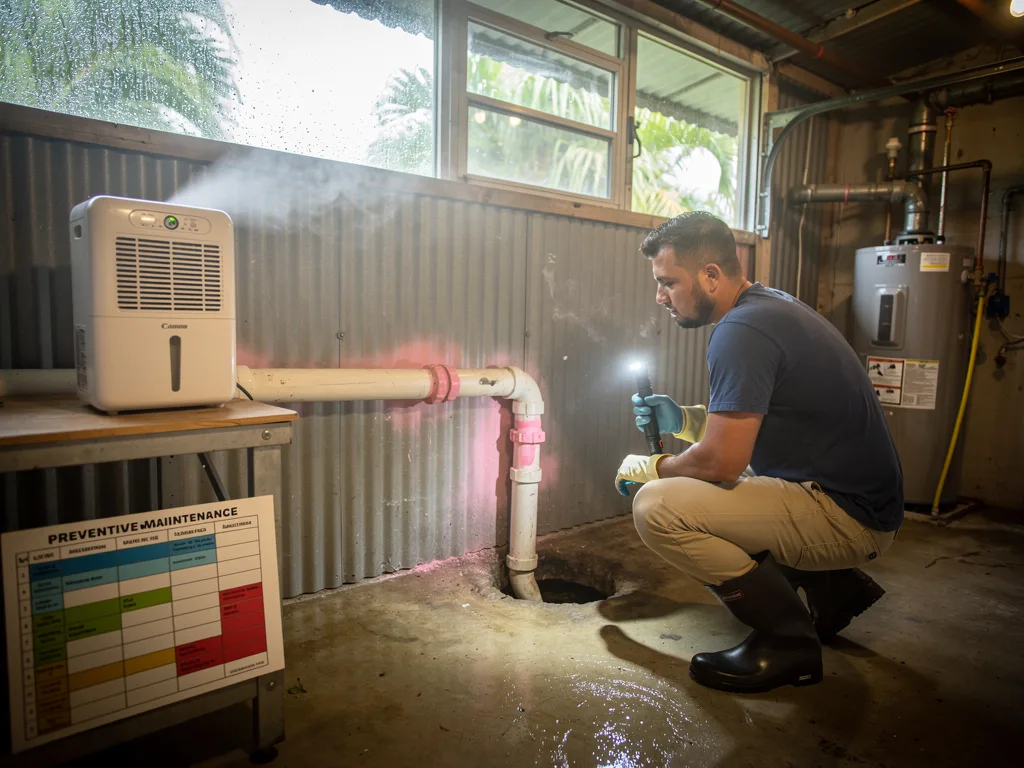
Miami’s climate and urban drainage patterns can intensify sewer backups during storm seasons. The faster a problem is identified and triaged, the less likely you are to see prolonged odors, water damage, or mold growth. A restoration specialist can determine if the issue is localized or connected to the main line and map out steps to contain and remediate the area safely.